
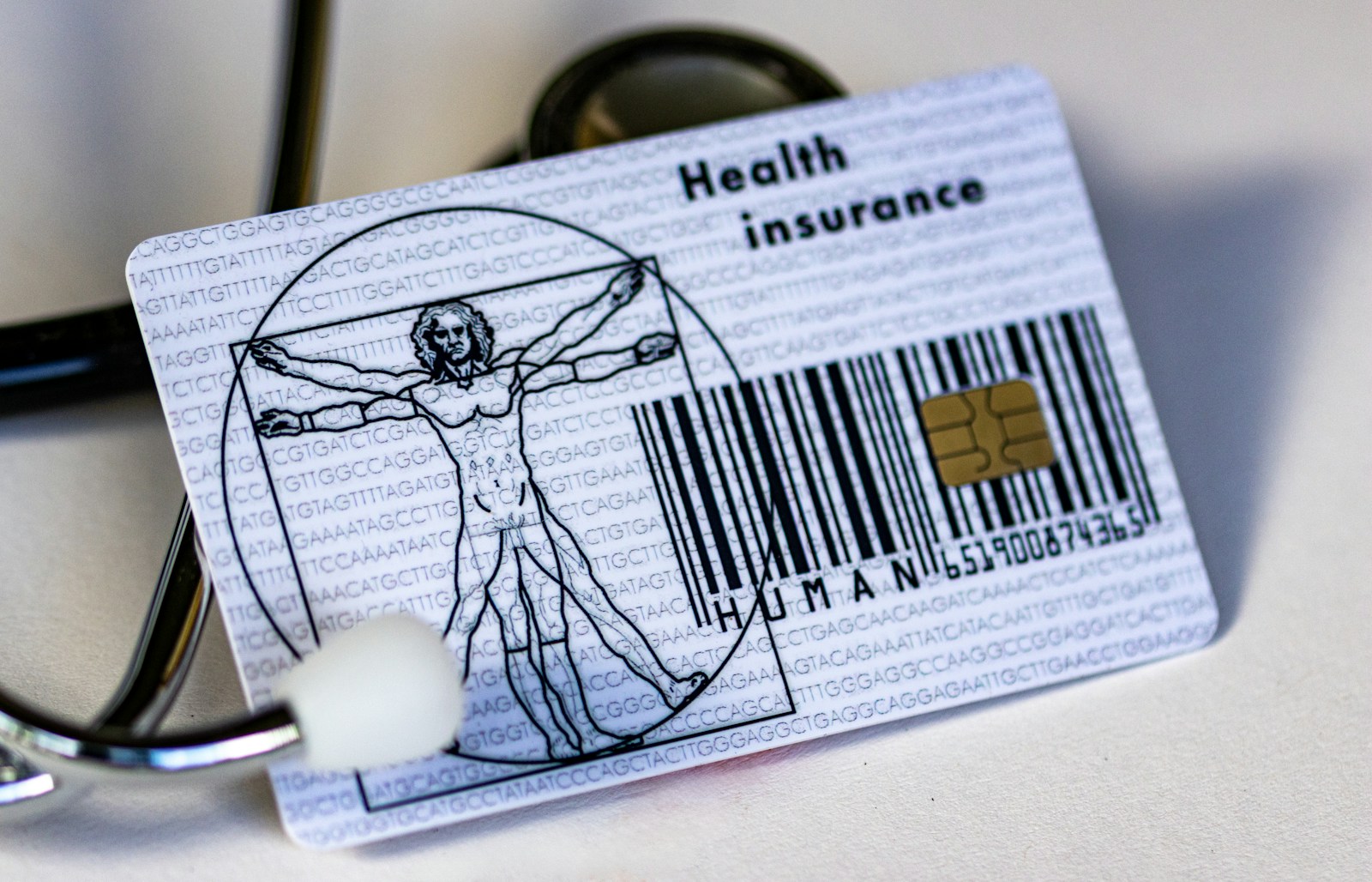
Health insurance is essential for protecting against unexpected medical costs, but traditional plans are not always accessible or affordable. Short‑term health insurance provides temporary coverage for individuals who need protection during gaps in regular insurance. Understanding what short‑term health insurance is and when to use it helps you make informed decisions about your healthcare needs.
Defining Short‑Term Health Insurance
Short‑term health insurance is a temporary policy designed to provide coverage for limited periods. These plans usually last from one month to twelve months, though some states allow renewals up to three years.
Short‑term policies are offered by private insurers and are not part of the Affordable Care Act marketplace. They provide basic coverage for medical emergencies, doctor visits, and hospital stays, but they often exclude certain benefits.
The purpose of short‑term health insurance is to bridge gaps in coverage. It is not intended as a permanent solution, but rather as a safety net during transitions.
How Short‑Term Health Insurance Works
Short‑term health insurance works like traditional insurance but with fewer benefits.
- Application Process: Policies are easy to apply for, often requiring no long waiting periods.
- Coverage Start: Many plans begin within days of approval, providing quick protection.
- Premiums: Monthly costs are lower than traditional plans, making them attractive for budget‑conscious individuals.
- Benefits: Coverage usually includes emergency care, hospital stays, and some doctor visits.
- Exclusions: Preventive care, maternity services, and pre‑existing conditions are often excluded.
Understanding how these policies work ensures that you use them appropriately and avoid surprises.
Benefits of Short‑Term Health Insurance
Short‑term health insurance offers several advantages.
- Affordability: Premiums are lower compared to marketplace plans.
- Flexibility: Policies can be tailored to specific timeframes.
- Quick Access: Coverage begins quickly, often within days.
- Temporary Protection: Provides peace of mind during coverage gaps.
These benefits make short‑term health insurance appealing for people who need immediate, affordable protection.
Limitations of Short‑Term Health Insurance
Despite benefits, short‑term health insurance has limitations.
- No Guaranteed Coverage for Pre‑Existing Conditions: Many policies exclude chronic illnesses.
- Limited Benefits: Preventive care, maternity, and mental health services are often not included.
- Not ACA‑Compliant: Policies do not meet Affordable Care Act standards, meaning they may lack essential benefits.
- Temporary Nature: Coverage ends after the policy period, requiring new arrangements.
Understanding these limitations ensures that you use short‑term health insurance wisely.
When to Use Short‑Term Health Insurance
Short‑term health insurance is best used during specific situations.
1. Between Jobs
If you lose employer coverage and are waiting for new benefits, short‑term insurance provides temporary protection. It ensures that you remain covered during transitions.
2. Waiting for Marketplace Enrollment
Marketplace plans have specific enrollment periods. If you miss them, you may need coverage until the next period. Short‑term insurance fills the gap.
3. Temporary Relocation
Students, seasonal workers, or people relocating temporarily may benefit from short‑term coverage. It provides protection without long‑term commitments.
4. Early Retirement
Retirees who are not yet eligible for Medicare may use short‑term insurance until they qualify.
5. Dependents Losing Coverage
Young adults aging out of parental plans may use short‑term insurance until they secure permanent coverage.
These scenarios highlight when short‑term health insurance is most useful.
Comparing Short‑Term Insurance to Traditional Plans
Traditional health insurance provides comprehensive coverage, including preventive care, maternity, and mental health services. Premiums are higher, but benefits are broader.
Short‑term insurance provides limited coverage at lower costs. It is not a substitute for traditional plans but serves as a temporary solution.
Comparing both options ensures that you choose the right coverage for your situation.
Practical Example
Imagine a worker who loses a job and employer coverage. Marketplace enrollment is closed, and new employment begins in three months. Short‑term health insurance provides affordable coverage during this gap.
Without short‑term insurance, the worker risks paying out‑of‑pocket for emergencies. With coverage, hospital stays and doctor visits remain affordable.
This example shows how short‑term insurance protects against financial hardship during transitions.
Tips for Choosing Short‑Term Health Insurance
- Assess Needs: Calculate how long you need coverage.
- Compare Policies: Review premiums, benefits, and exclusions.
- Confirm Provider Networks: Ensure that local hospitals and doctors accept the policy.
- Review Exclusions: Understand what is not covered, especially pre‑existing conditions.
- Plan for Transitions: Use short‑term insurance as a bridge, not a permanent solution.
Short‑term health insurance provides temporary coverage for individuals facing gaps in traditional insurance. It offers affordability, flexibility, and quick access, but it excludes many benefits and does not cover pre‑existing conditions.
Short‑term insurance is best used during transitions, such as between jobs, waiting for marketplace enrollment, or early retirement. It is not a replacement for comprehensive coverage but serves as a valuable safety net.
Understanding what short‑term health insurance is and when to use it ensures that you remain protected during uncertain times. Careful planning and informed decisions help you avoid financial hardship and maintain peace of mind.
Leave a Reply