
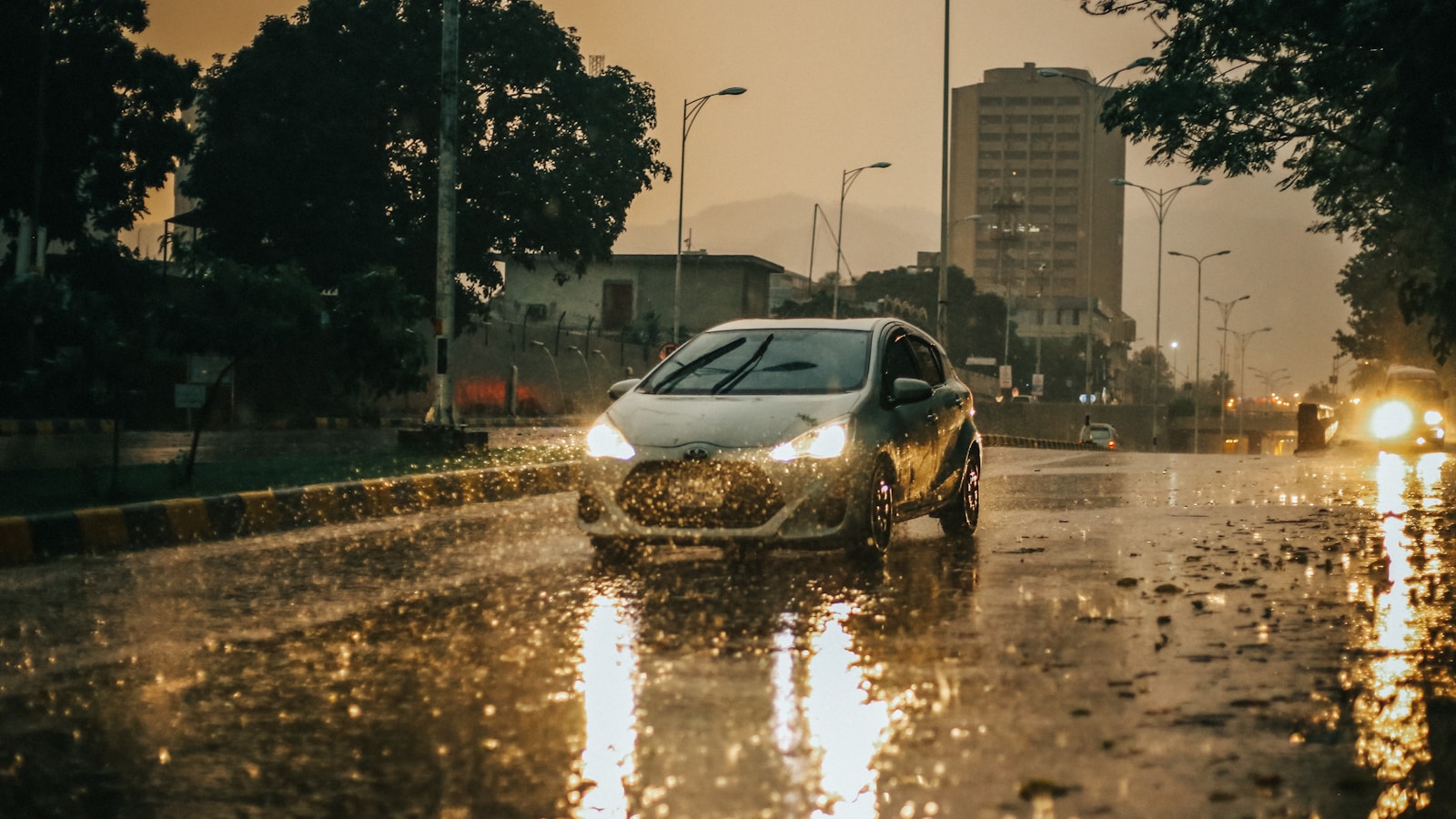
Auto insurance is designed to protect drivers when unexpected events occur. Weather conditions are among the most common factors that lead to claims. Rain, snow, hail, and storms can all create hazards that increase accidents and damage vehicles. Understanding how weather influences claims helps drivers prepare and insurers manage risk more effectively.
Rain and Flooding
Rain is one of the most frequent weather conditions that affects driving safety. Wet roads reduce tire traction, making it harder to stop quickly or maintain control. Flooding can damage engines, electrical systems, and interiors, leading to costly repairs. Auto insurance claims often rise during heavy rain seasons because accidents and water damage become more common.
Snow and Ice
Snow and ice create dangerous driving conditions that increase the likelihood of collisions. Vehicles may slide on icy roads, even at low speeds, causing accidents that result in claims. Snow buildup can also damage car exteriors and block visibility, leading to unsafe driving situations. Insurers often see higher claim volumes in regions with severe winter weather because of these risks.
Hailstorms
Hailstorms can cause significant damage to vehicles in a short period of time. Large hailstones dent body panels, crack windshields, and damage paint finishes. Even minor hail can leave marks that reduce a car’s value and require repairs. Comprehensive auto insurance typically covers hail damage, and claims often spike after severe hail events.
Windstorms
Strong winds can create hazards by blowing debris onto roads and vehicles. Falling branches, flying objects, and toppled signs can damage cars parked outside or in motion. Windstorms may also cause accidents when drivers struggle to maintain control against gusts. Auto insurance claims related to wind damage often include broken windows, dents, and structural harm.
Hurricanes and Tropical Storms
Hurricanes and tropical storms combine heavy rain, flooding, and strong winds into one destructive force. Vehicles left outside may suffer water damage, broken glass, and structural harm. Roads become unsafe, leading to accidents and increased claims. Insurers often prepare for large volumes of claims after major storms because damage is widespread and severe.
Extreme Heat
Extreme heat can influence auto insurance claims in less obvious ways. High temperatures may cause tire blowouts, battery failures, and overheating engines. These mechanical issues can lead to accidents or breakdowns that result in claims. Heat can also damage interiors, cracking dashboards and fading upholstery, which may be covered under certain policies.
Fog
Fog reduces visibility and makes driving more dangerous. Drivers may misjudge distances, fail to see obstacles, or collide with other vehicles. Insurance claims often rise during foggy conditions because accidents are more likely. Fog also increases the severity of accidents since drivers have less time to react to hazards.
Seasonal Patterns
Weather conditions influence claims differently depending on the season. Winter brings snow and ice, while spring and summer often bring storms and flooding. Insurers track seasonal claim patterns to adjust risk models and prepare for higher volumes. Drivers benefit from understanding these patterns because they can take precautions during risky seasons.
Regional Differences
Different regions experience unique weather challenges that affect auto insurance claims. Coastal areas face hurricanes, while inland regions may deal with hail or snow. Insurers consider regional weather risks when setting premiums and coverage options. Drivers should be aware of local weather patterns because they directly influence claim likelihood.
Preventive Measures
Drivers can reduce the impact of weather on auto insurance claims by taking preventive steps. Maintaining tires, brakes, and wipers helps improve safety during rain or snow. Parking vehicles in garages or covered areas reduces damage from hail and wind. Preparing for seasonal weather conditions lowers accident risk and minimizes claim frequency.
Insurance Coverage Considerations
Different types of auto insurance coverage respond to weather-related claims in specific ways. Liability coverage handles accidents caused by weather conditions, while comprehensive coverage protects against hail, flooding, and wind damage. Collision coverage applies when drivers lose control on icy or wet roads. Understanding coverage options ensures drivers are prepared for weather-related risks.
Claim Trends and Statistics
Insurance companies often report spikes in claims after major weather events. Floods, hailstorms, and snowstorms lead to noticeable increases in claim volumes. These trends help insurers adjust premiums and prepare for future risks. Drivers benefit from knowing that weather conditions are a major factor in claim statistics.
Weather conditions play a significant role in auto insurance claims. Rain, snow, hail, wind, and storms all create hazards that increase accidents and damage vehicles. Understanding how weather influences claims helps drivers prepare and insurers manage risk.
Leave a Reply