
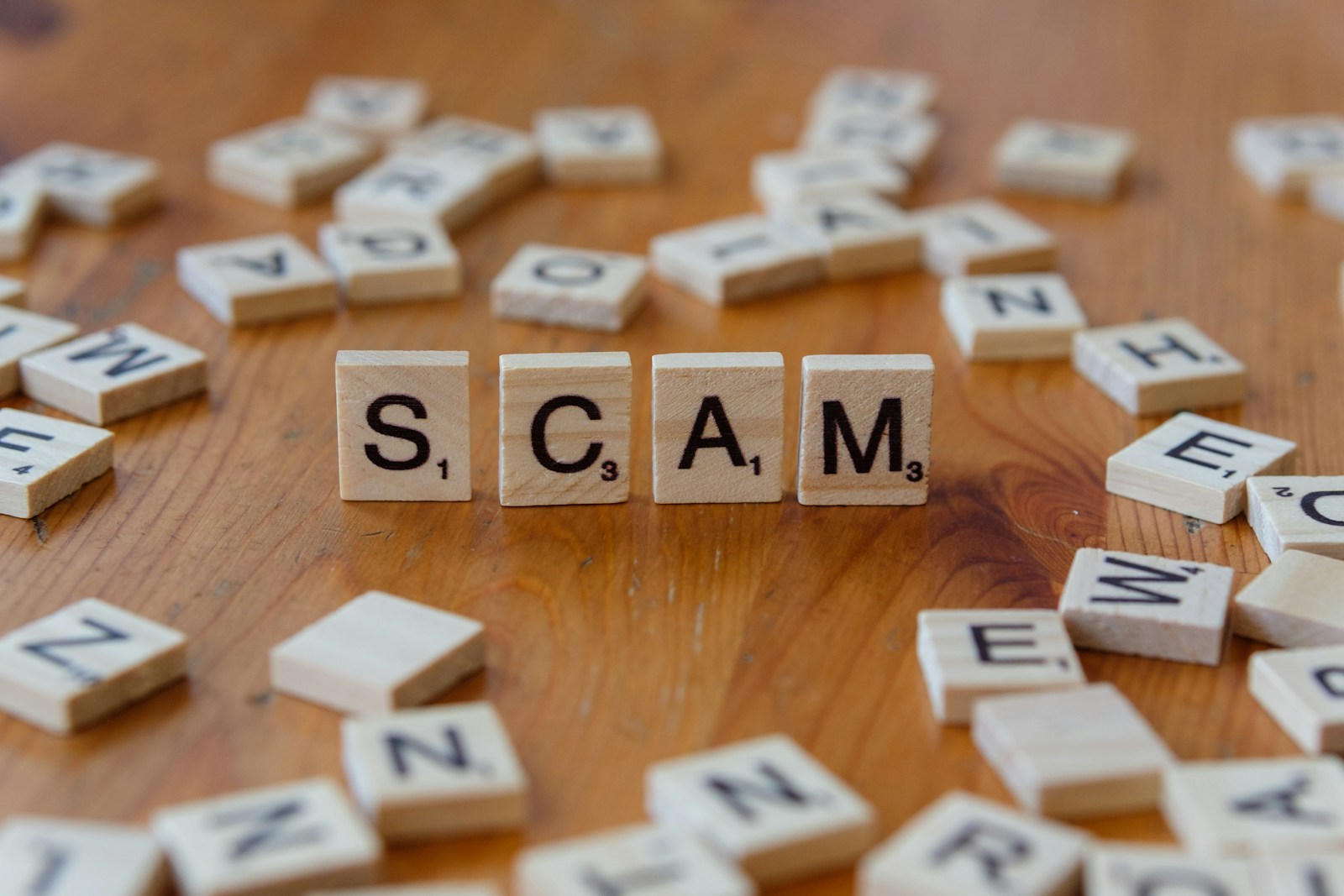
Medicare provides essential healthcare coverage for millions of Americans, but it is also a target for fraud and scams. Criminals often exploit confusion around Medicare rules to steal money or personal information. Protecting yourself requires awareness, vigilance, and practical steps that reduce risk. This guide explains how to avoid Medicare fraud and scams so you can safeguard your benefits and peace of mind.
Recognize Common Types of Medicare Fraud
The first step in protecting yourself is recognizing common types of fraud. Fraudsters may pose as Medicare representatives, offering fake services or requesting personal information. Some scams involve billing Medicare for services never provided. Others include selling unnecessary equipment or charging for items already covered.
Be cautious of unsolicited phone calls, emails, or letters claiming to represent Medicare. Scammers often use official‑sounding language to gain trust. Recognizing these tactics helps you avoid falling victim to fraudulent schemes.
Protect Your Medicare Number
Your Medicare number is as valuable as a credit card number. Criminals can use it to file false claims or steal benefits. Protecting this number is essential for preventing fraud.
Keep your Medicare card in a safe place and avoid carrying it unless necessary. Do not share your number with anyone except trusted healthcare providers. If someone asks for your Medicare number without a clear reason, refuse to provide it. Protecting your number reduces the risk of fraudulent activity.
Review Medicare Statements Regularly
Medicare sends statements called Medicare Summary Notices (MSNs) or Explanation of Benefits (EOBs). These documents list services billed to Medicare and the amounts paid. Reviewing these statements regularly helps you detect suspicious activity.
Look for charges you do not recognize or services you never received. If you notice errors, contact your provider or Medicare immediately. Reviewing statements ensures that your benefits are used correctly and that fraud is identified quickly.
Be Careful with Free Offers
Scammers often lure victims with offers of free medical equipment or services. They may claim that Medicare will cover the cost, but then bill Medicare for unnecessary or nonexistent items. Accepting these offers can lead to fraudulent charges and wasted benefits.
Be cautious of anyone offering free products in exchange for your Medicare number. Legitimate providers do not operate this way. If an offer sounds too good to be true, it probably is. Avoiding these traps protects your benefits and prevents fraud.
Verify Providers and Services
Always verify that your healthcare providers are legitimate and approved by Medicare. Fraudsters sometimes pose as providers to bill Medicare for fake services. Confirm that your doctor, hospital, or clinic is properly licensed and recognized by Medicare.
Ask questions about services before agreeing to them. If a provider recommends expensive tests or equipment, confirm that they are medically necessary. Verifying providers and services ensures that your benefits are used appropriately and reduces the risk of fraud.
Report Suspicious Activity
Reporting suspicious activity is an important step in fighting Medicare fraud. If you notice unusual charges, unsolicited requests for your Medicare number, or questionable offers, report them immediately. Contact Medicare directly or use the fraud hotline provided by the government.
Reporting fraud helps protect not only your benefits but also the entire Medicare system. Fraudulent claims increase costs for everyone. Taking action ensures that criminals are stopped and that resources remain available for legitimate care.
Stay Informed About Scams
Scammers constantly develop new tactics, so staying informed is essential. Government agencies and consumer protection organizations regularly publish alerts about current scams. Reviewing these alerts helps you recognize threats before they affect you.
Subscribe to newsletters or visit official websites for updates. Staying informed ensures that you are prepared to identify scams quickly. Awareness is one of the strongest defenses against fraud.
Educate Family Members
Family members often help manage healthcare decisions, especially for older adults. Educating them about Medicare fraud ensures that they can provide support effectively. Share information about protecting Medicare numbers, reviewing statements, and recognizing scams.
Encourage family members to stay alert when handling medical paperwork or answering phone calls. Educating your family creates a network of protection that reduces risk. Fraudsters often target vulnerable individuals, so family awareness is critical.
Use Secure Communication Channels
Scammers often exploit insecure communication channels such as email or phone calls. Protect yourself by using secure methods when communicating with Medicare or healthcare providers. Avoid sharing personal information through email or text messages.
If you receive a suspicious call, hang up and contact Medicare directly using official numbers. Secure communication ensures that your information remains protected and reduces opportunities for fraud.
Medicare fraud and scams threaten the security of millions of beneficiaries. Protecting yourself requires recognizing common fraud tactics, safeguarding your Medicare number, reviewing statements, avoiding free offers, verifying providers, reporting suspicious activity, staying informed, educating family members, and using secure communication channels.
Each step strengthens your defenses and ensures that your benefits remain safe. Medicare is designed to provide healthcare security, and protecting it from fraud is essential. Taking action today helps you avoid scams and ensures that your coverage continues to support your health and well‑being.
Leave a Reply