
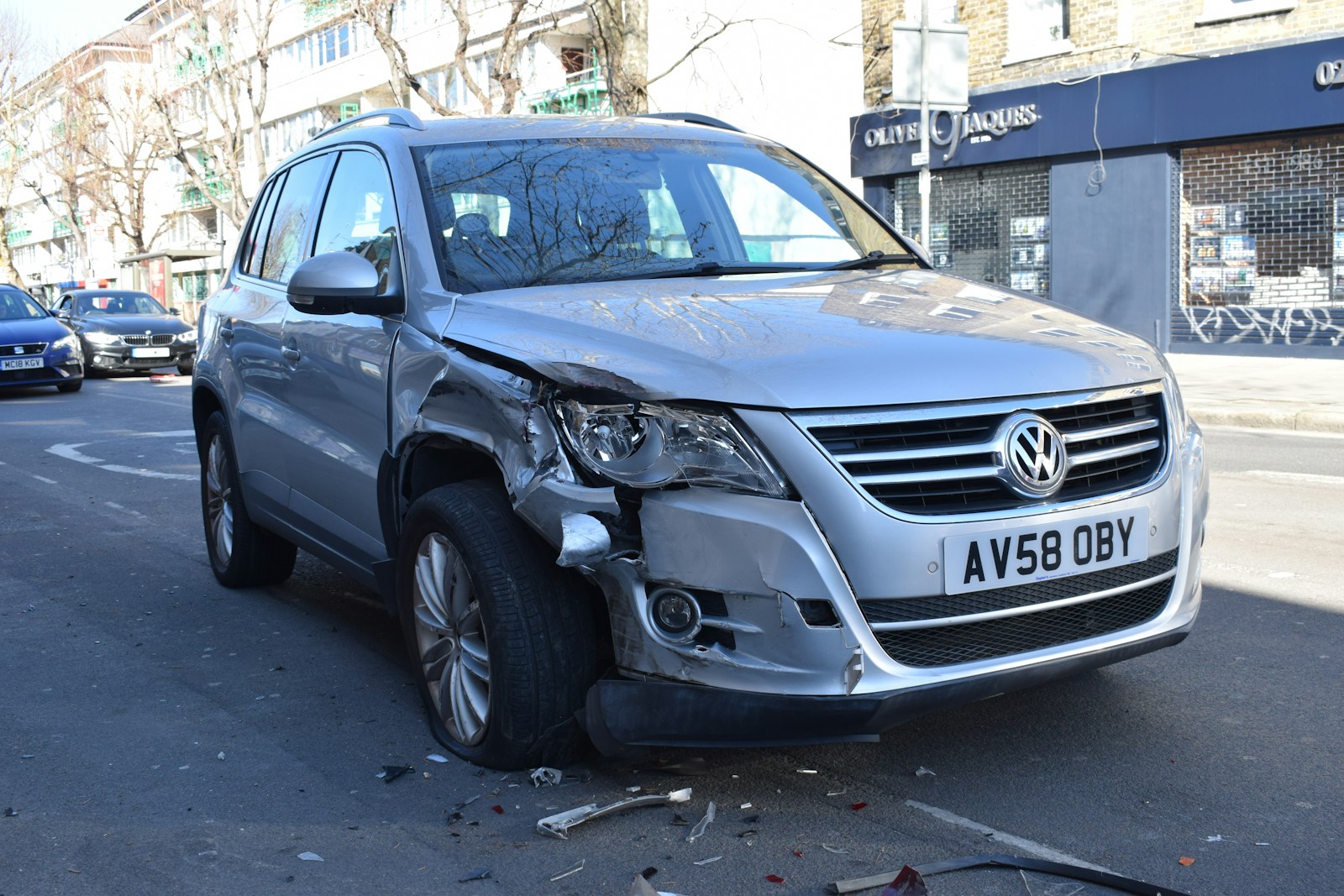
Auto insurance is one of the most misunderstood financial products. Many drivers believe myths that lead to poor decisions, higher costs, or gaps in coverage. These misconceptions spread easily, but understanding the truth helps you protect yourself and your finances. Below are seven common auto insurance myths explained in detail and debunked clearly.
Myth 1: Red Cars Cost More to Insure
Many people believe that owning a red car automatically increases insurance premiums. The myth likely comes from the idea that red cars attract attention or are driven faster. In reality, insurers do not consider car color when calculating premiums.
Insurance companies focus on factors such as vehicle make, model, age, engine size, and safety features. They also consider driver history, location, and annual mileage. Color plays no role in risk assessment.
Drivers who choose red cars pay the same rates as those who choose blue, black, or white cars, assuming all other factors are equal. Debunking this myth helps drivers choose cars based on preference rather than false assumptions.
Myth 2: Minimum Coverage Is Enough
Some drivers believe that carrying state minimum liability coverage is sufficient. While minimum coverage meets legal requirements, it often falls short in real accidents.
Liability coverage pays for injuries and property damage caused to others. State minimums may cover only a fraction of actual costs. Serious accidents can result in medical bills and lawsuits that exceed minimum limits quickly.
Drivers who rely solely on minimum coverage risk paying out‑of‑pocket for damages beyond policy limits. Comprehensive and collision coverage provide additional protection for your own vehicle. Debunking this myth highlights the importance of choosing coverage that matches financial risk, not just legal requirements.
Myth 3: Personal Auto Insurance Covers Business Use
Many drivers assume that personal auto insurance covers business use of their vehicles. This myth can lead to denied claims and financial hardship.
Personal policies are designed for commuting, errands, and personal travel. Business use, such as deliveries or transporting clients, often requires commercial coverage. If an accident occurs during business use, insurers may deny claims under personal policies.
Drivers who use vehicles for work should confirm coverage with insurers. Commercial policies provide protection for business activities. Debunking this myth ensures that drivers avoid gaps in coverage and remain financially secure.
Myth 4: Older Drivers Always Pay More
Another common myth is that older drivers always pay higher premiums. While age affects risk, insurers consider multiple factors.
Older drivers often benefit from experience and lower accident rates. Many insurers offer discounts for mature drivers who maintain safe records. Premiums may increase if health issues affect driving ability, but age alone does not guarantee higher costs.
Insurers evaluate driving history, claims records, and vehicle type. Older drivers with clean records often pay less than younger drivers with accidents. Debunking this myth reassures retirees that safe driving habits can keep premiums affordable.
Myth 5: Insurance Follows the Driver, Not the Car
Many people believe that insurance follows the driver, meaning coverage applies regardless of the vehicle. In reality, auto insurance usually follows the car.
If you lend your car to a friend and they cause an accident, your insurance is typically responsible. Liability coverage applies to the vehicle, not just the driver. The borrower’s insurance may provide secondary coverage, but your policy is primary.
This myth creates confusion and can lead to disputes. Understanding that insurance follows the car helps owners make informed decisions about lending vehicles. Debunking this myth emphasizes the importance of knowing how coverage applies.
Myth 6: Comprehensive Coverage Covers Everything
The word “comprehensive” leads many drivers to believe that this coverage protects against all risks. In reality, comprehensive coverage applies only to specific non‑collision events.
Comprehensive coverage protects against theft, vandalism, fire, weather damage, and animal collisions. It does not cover accidents involving other vehicles or damage caused by reckless driving. Collision coverage is required for those situations.
Drivers who assume comprehensive coverage protects against all risks may face surprises after accidents. Debunking this myth clarifies that comprehensive coverage is valuable but limited. Combining it with collision coverage ensures full protection.
Myth 7: Premiums Always Increase After an Accident
Many drivers believe that premiums always increase after an accident. While accidents can affect rates, insurers consider multiple factors before raising premiums.
Minor accidents may not result in increases, especially if drivers have accident forgiveness or long safe records. Premium changes depend on fault, claim amounts, and insurer policies.
Drivers who maintain safe habits and avoid frequent claims often avoid significant increases. Debunking this myth reassures drivers that one accident does not automatically lead to higher costs.
Auto insurance myths create confusion and lead to poor decisions. Believing that red cars cost more, minimum coverage is enough, personal insurance covers business use, older drivers always pay more, insurance follows the driver, comprehensive coverage covers everything, or premiums always increase after accidents can result in financial hardship.
Understanding the truth helps drivers choose coverage wisely, avoid gaps, and protect themselves financially. Auto insurance is complex, but debunking myths ensures that drivers remain informed and confident.
Leave a Reply